May 08, 2026
Due diligence is often seen as a preliminary step. Something to complete before the real work begins. In reality, it is one of the most critical stages of any project. It shapes decisions, reduces uncertainty and sets the direction for everything that follows. Without thorough due diligence, design and construction are built on assumptions. With it, projects are grounded in clarity, confidence and control.
What Due Diligence Really Means
Due diligence is the process of fully understanding a site, a building, and the conditions surrounding it. It brings together information on structure, services, compliance and risk to create a clear and accurate picture of what exists. This is not simply about collecting data. It is about interpreting it. Understanding what the information means, how it impacts the project and where potential challenges may arise. When carried out properly, due diligence transforms unknowns into knowns. It allows teams to move forward with purpose rather than uncertainty.
Uncovering Constraints and Opportunities
Every building comes with its own set of constraints. Structural limitations, service capacity, access requirements and regulatory considerations all influence what can be achieved. Due diligence brings these factors to light early, preventing unrealistic expectations and avoiding the need for reactive changes later in the process. At the same time, it often reveals opportunities. Elements that can be retained, adapted or enhanced. Efficiencies that can be unlocked. Design potential that may not have been immediately visible. Understanding both sides of this equation is essential to making informed decisions.
The Role of Accurate Data
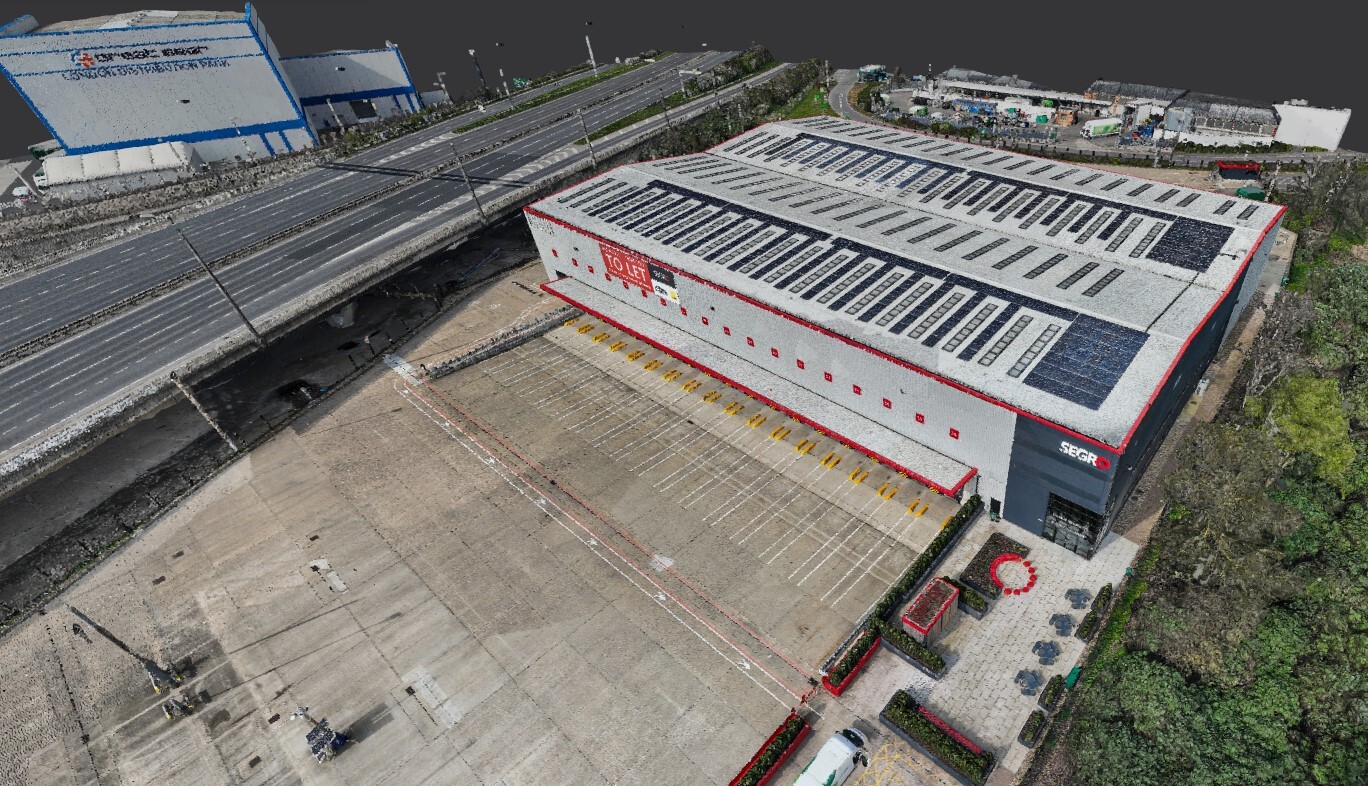
The quality of due diligence depends on the quality of information. Advances in scanning and surveying now allow projects to begin with a far higher level of accuracy than ever before. Detailed digital records provide a reliable reference point for the entire team. Designers, engineers and contractors can all work from the same information, reducing the risk of misalignment. Accurate data also supports better coordination. It allows teams to test ideas against real conditions, identify clashes early and refine solutions before work reaches the site.
Reducing Risk Before It Becomes a Problem
One of the greatest advantages of due diligence is its ability to reduce risk at the earliest stage. Issues identified during investigation are far easier to manage than those discovered during construction. This includes structural concerns, compliance requirements and health and safety considerations. Addressing these early on avoids disruption, protects the programme, and helps control costs. It also supports better planning. When risks are understood, they can be managed proactively rather than reactively.
Supporting Smarter Design
Strong design does not exist in isolation from technical understanding. It is informed by it. When designers have access to clear, reliable information, they are able to respond creatively within real-world conditions.
This leads to solutions that are both imaginative and achievable. Spaces that perform as well as they look. Designs that do not need to be compromised later because key factors were overlooked. Due diligence provides the framework within which good design can thrive.
Improving Efficiency Across the Project
Projects that begin with thorough due diligence tend to be more efficient from start to finish. Clear information reduces ambiguity. Teams are better aligned. Decisions can be made more quickly and with greater confidence. This efficiency carries through to construction and beyond. Fewer surprises lead to fewer delays. Better planning leads to smoother delivery. The overall process becomes more predictable and controlled. For clients, this translates into greater certainty around cost, programme and outcome.
A Stage That Should Never Be Rushed
Due diligence can sometimes be seen as a stage to move through quickly in order to reach design. In reality, rushing this process often leads to greater delays later. Taking the time to fully understand a project at the beginning creates a stronger foundation. It allows every subsequent stage to build on solid ground. The time invested upfront is returned many times over through reduced risk, improved efficiency and better results.
Conclusion
Due diligence is not a formality. It is a critical part of delivering successful projects. It brings clarity where there is uncertainty, reveals both challenges and opportunities and supports better decision making at every stage. Before any design takes shape, before construction begins, due diligence defines what is possible.
When it is done well, everything that follows becomes stronger, more efficient and more confident.