August 25, 2026
Q&A with our Global COO - Andres Perea who is based in Miami, Florida
You’ve worked with brands across multiple continents. What challenges are universal?
Working on projects across different countries has shown me that the most challenging part isn't simply coming up with a great idea. It's about turning that idea into a practical, repeatable experience that still feels meaningful in each location.
A wonderful concept needs to stand up to leases, budgets, local regulations, supply chains, contractors, daily operations, and, most importantly, the customers who visit. That's when design truly becomes a functional business system.
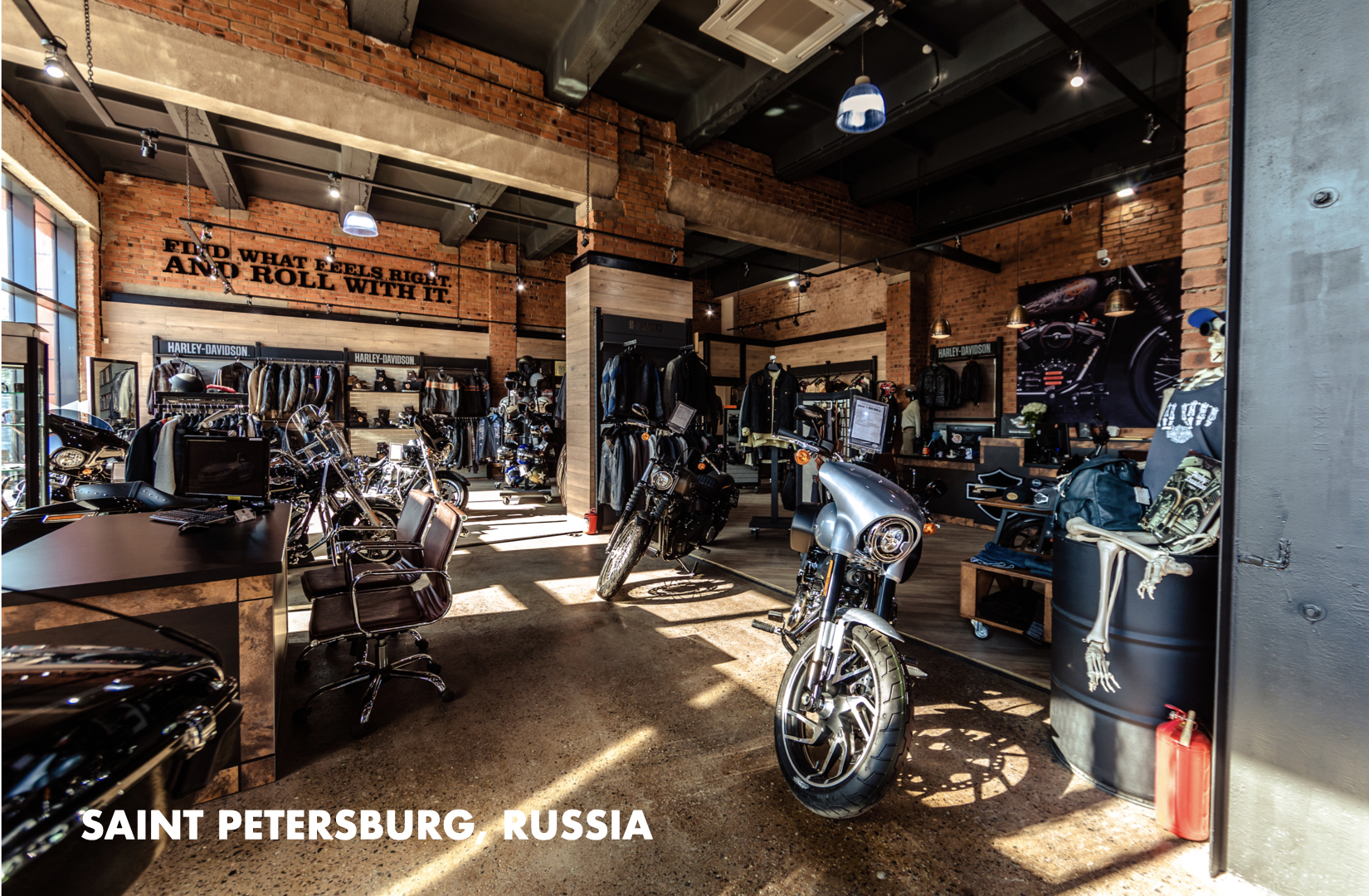
Our work with Harley-Davidson at over 600 locations highlights this perfectly. Every dealership should clearly embody Harley-Davidson, yet also reflect its riders, community, and region. There's a difference between consistency and sameness. The goal is to deliver the same brand promise, even if the floor plans aren’t identical everywhere.
What differences surprise brands when they expand internationally?
US brands often expect Europe to be one uniform market, while European brands sometimes assume the US has a single set of rules. Sadly, neither story is quite accurate.
Traveling through Europe reveals a tapestry of diverse planning requirements, labor practices, property conditions, and cultural expectations, even between towns just ten miles apart. Projects often need to consider smaller footprints, historic buildings, preservation restrictions, and highly localized supply chains.
When European brands step into the US, they face new challenges: longer distances, more car-focused customer journeys, larger sites, different accessibility and liability standards, and higher expectations for convenience, speed, and efficiency.
One of the most underestimated differences lies in how projects are surveyed, documented, approved, and permitted. While a concept can make it across the Atlantic overnight, permit-ready drawings take much longer. That’s why involving local expertise early, during site selection and due diligence, is crucial, rather than bringing in specialists at the last minute to fix assumptions already built into the design.
What role does cultural understanding play when creating customer experiences?
Understanding culture helps make experiences feel authentic and welcoming, not just imported. It influences how guests move through a space, how long they linger, how they interact with staff, and what they see as attentive service versus an interruption. For instance, a server checking on a table every five minutes might be seen as caring in one culture yet intrusive in another. Even something as simple as a café table can signify a quick stop or a cozy afternoon spot.
An inspiring example is adidas Originals’ “Neighborhood” concept. The brand keeps a consistent global design but encourages each store to reflect its city’s unique spirit. Local artists help shape the look; Shanghai’s store kept its historic façade and used regional materials, while London showcased its original brick, plaster, and steel.
This local touch isn’t just a decal at the end, it influences everything from materials to architecture to storytelling. That’s the key difference between cultural relevance and themed decoration. Deep cultural insight helps a brand speak with a local voice without losing its core identity.
Why do some concepts succeed in one market but fail in another?
Brands often miss the mark by focusing only on the visible aspects of concepts, like design, while overlooking the deeper conditions that make them succeed.
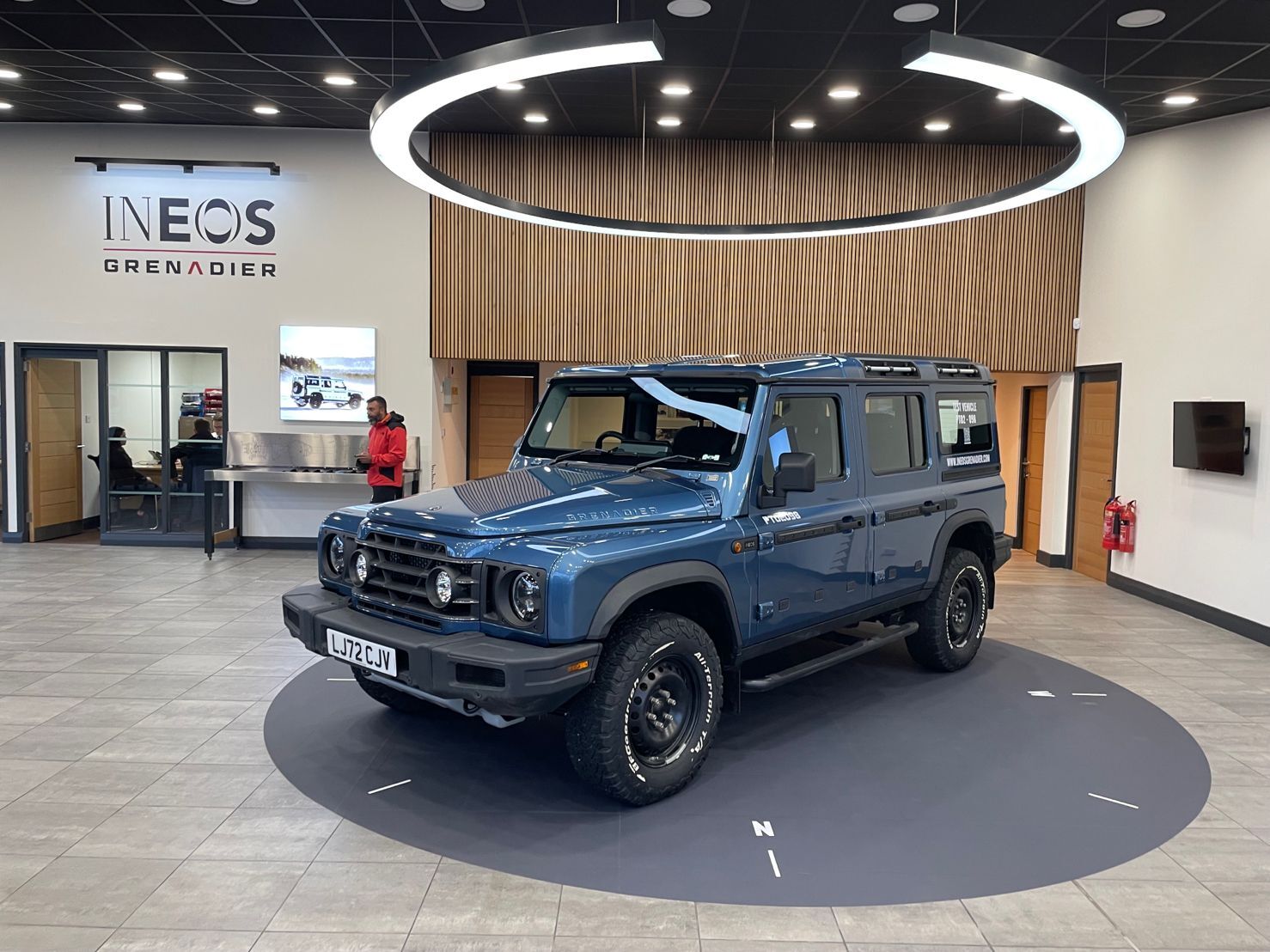
During the development of the INEOS Grenadier retail concept, we explored how it performed in two very different environments: an open industrial space and a traditional automotive showroom. Our pilots showed us that what truly matters isn’t necessarily matching furniture and flooring, but maintaining the right quality, character of materials, and sense of purpose. These insights opened up opportunities for local adaptation without compromising the core idea.
A key question to ask is: what truly cannot be changed? It might be the service promise, the product experience, the atmosphere, or the way the brand warmly welcomes customers. These elements are fundamental and should stay consistent. Meanwhile, things like footprint, materials, seating arrangements, and operational methods can be adapted as needed.
The most resilient brands focus on protecting the core idea itself, not every detail in the manual. They safeguard the essence of the concept, allowing its physical expression to develop uniquely in each locale, all while staying true to its soul.
What lessons can smaller businesses learn from global brands?
Smaller businesses can learn valuable lessons from the discipline and strategic planning that global brands use to grow successfully. Start by clearly defining what should stay consistent and where some flexibility is okay. While a growing business doesn’t need an overwhelming 200-page rulebook, it does need a shared understanding of what makes the experience familiar and trustworthy.
Next, it’s important to test ideas on a smaller scale before expanding. Running a pilot, setting up a pop-up shop, or opening a smaller-format location can reveal important insights that financial models might overlook.
Additionally, involving local experts early on, preferably before signing leases or making big design decisions, can save a lot of trouble. Finding out about constraints during due diligence is valuable, but discovering them during construction can be costly. It’s also important to learn from the community as well. While global brands know how to grow and scale, local businesses excel at building trust and belonging within their neighborhoods.
The most successful brands are those that understand how to do both, combining broad reach with heartfelt community connection.